
Restore Your Sleep. Restore your Life.
Diplomate of the American Board of Dental Sleep Medicine. FDA-Approved Oral Advancement Devices.
Insurance Accepted.
TAKE OUR 2-MINUTE SLEEP APNEA SELF-ASSESSMENT AND FIND ANSWERS TODAY!




Restore Your Sleep.
Restore your Life.
Diplomate of the American Board of Dental Sleep Medicine. FDA-Approved Oral Advancement Devices. Insurance Accepted.
TAKE OUR 2-MINUTE SLEEP APNEA SELF-ASSESSMENT AND FIND ANSWERS TODAY!
Expert Care for Sleep Apnea & Snoring
STRUGGLING TO CATCH SOME ZZZ'S? LOOKING FOR HELP?
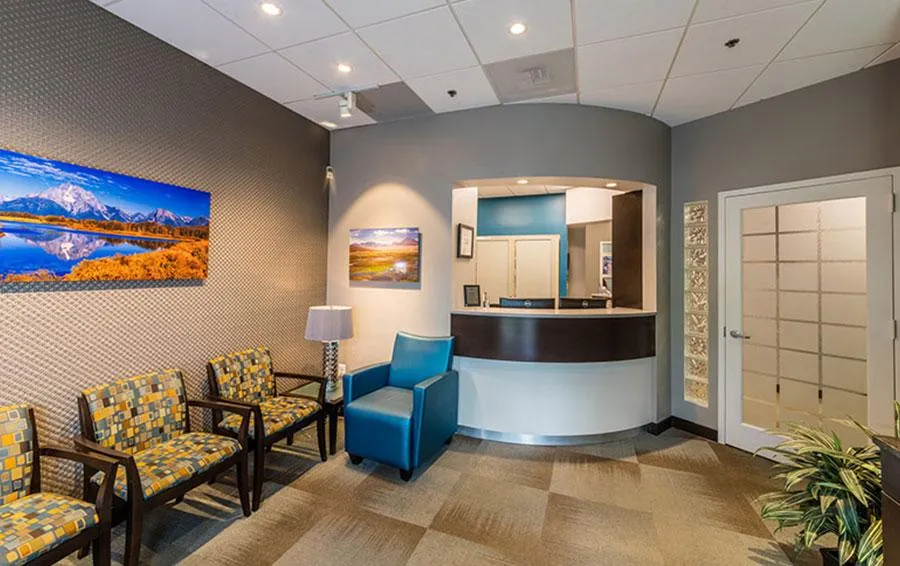
Free Consultations
Get started with a free consultation with Dr. Bernard L. Greenbaum to discuss a custom treatment plan. Dr. Greenbaum offers sleep apnea and snoring treatment with SomnoDent, TAP and many other appliances.
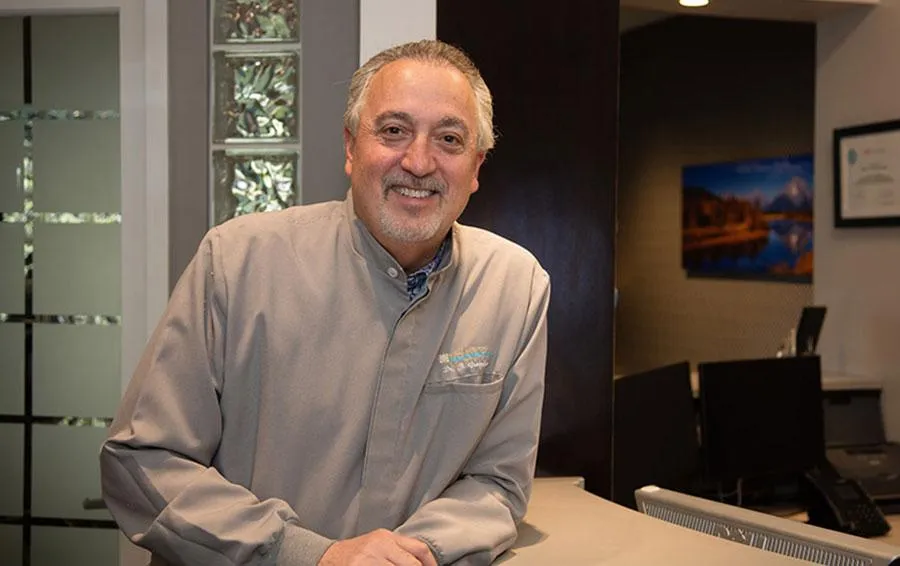
Diplomate, American Board of Dental Sleep Medicine
He is a diplomate of the American Board of Dental Sleep Medicine, and he regularly attends sleep apnea meetings and teaches local dentists, physicians, respiratory therapists, and sleep technicians about sleep apnea therapies.
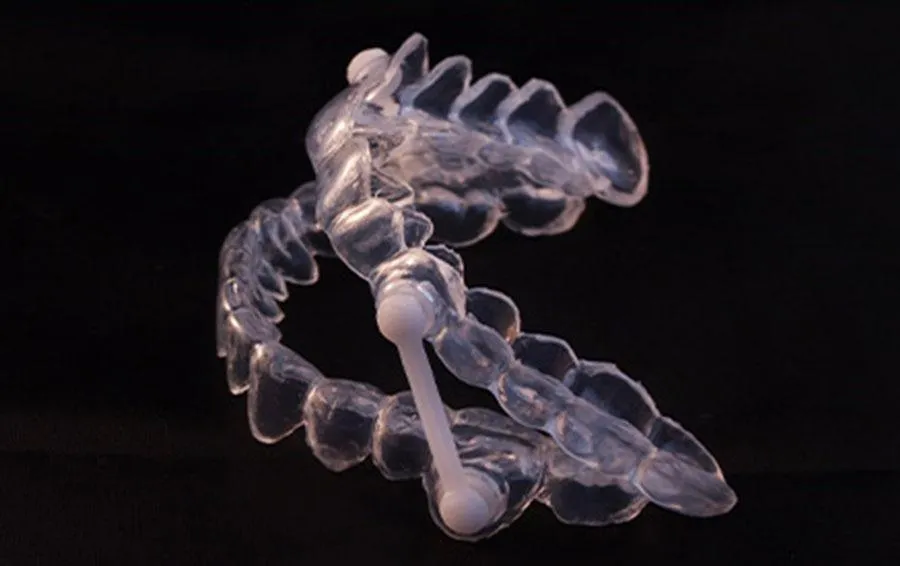
Oral Appliance Therapy
Dr. Greenbaum is an experienced dentist who is proud to provide treatment to help patients stop snoring and conquer their OSA. He does so with the use of specialized oral appliances. An oral appliance can gently reposition your lower jaw at night, thereby helping to keep the airway open so you can breathe easily.
OUR REVIEWS
See What Past Patients Have Said
"After many years of suffering from poor sleep and snoring I found out that I had sleep apnea! My sleep doc referred me to Dr. Greenbaum. He convinced me that the dental appliance would be the way to go and I have not regretted the decision for one moment. Dr. Greenbaum has seen me multiple times since for adjustments and questions I had. I don't think you could find a nicer and more caring Dentist."
Jeremy N., Rockville, MD
"Dr. Greenbaum and his full staff have been super and have successfully addressed my sleep apnea. The team has been friendly, not rushed, explained everything fully, helped address insurance coverage, and has great on following up by phone. Skip the annoying CPAP machine for sleep apnea and instead see Dr. Greenbaum for a better way with a dental device."
P K., Chevy Chase, MD
"Brenda handles the insurance--she is excellent--she knows her stuff. She is the first contact I had with this practice and she offered to assist with the insurance to purchase an appliance (mouth guard) for sleep apnea. She was wonderful. Dr. Greenbaum is very knowledgeable about sleep apnea regarding which appliance would work best for me and his continued support with the appliance."
Melanie J., Laurel, MD
The Sleep Apnea Treatment Process
Sleep Test and Diagnosis
A sleep physician will evaluate your condition and perform a sleep test to see if you are struggling with sleep apnea or central sleep apnea. Some evaluations can even be done from the comfort of your own home.
Treatment Discussion
Once sleep apnea is diagnosed, a medical doctor evaluates the patient and determines if a dental sleep appliance is an appropriate treatment option. They provide clearance for the dental procedure.
Insurance Verification
The dental office staff checks the patient's insurance coverage for the dental sleep appliance. They determine what portion of the cost will be covered by insurance and what the patient's out-of-pocket expenses will be.
Oral Scan
A digital scan of the patient's mouth is taken. This provides a detailed 3D model of the patient's oral anatomy, which is necessary for creating a custom-fitted sleep appliance.
Appliance Configuration
Using the digital scan, the dental sleep appliance is designed and configured to fit the patient's unique oral anatomy. This ensures the device will be comfortable and effective in treating the patient's sleep apnea.
Schedule Today
We can't wait to see you!
We'll Help You Take Back Control
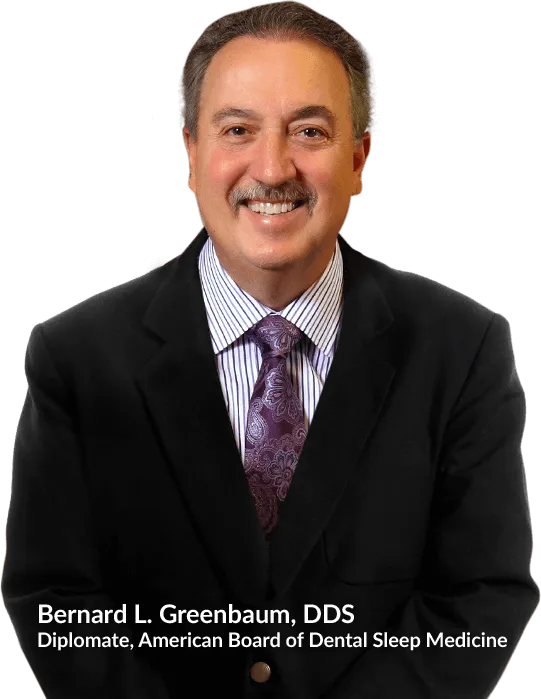
Meet Dr. Bernard L. Greenbaum
Bernard L. Greenbaum, DDS has been excelling in the art of snoring and sleep apnea treatment for over 25 years now, helping patients from Bethesda, MD and beyond regain the full nights of revitalizing rest they deserve. As a Diplomate of the American Board of Dental Sleep Medicine, he regularly teaches local dentists, physicians, and other professionals about sleep apnea therapy, and his collaborations with the nation’s leading oral appliance providers allow him to provide customized solutions, like combined therapy, that are sure to fit your needs.
We’ve got you covered
WE BELIEVE EVERYONE DESERVES ACCESS TO SLEEP CARE.
Frequently Asked Questions
How Does Oral Appliance Therapy (OAT) Work?
Oral Appliance Therapy, or OAT for short, uses a special mouthguard. These oral appliances change the position of your jaw when you sleep, which prevents oral tissue from sagging into your airway. This means that your breathing won't be interrupted at night. OAT is ideal for patients with minor-to-moderate apnea.
What Else Can I Do To Treat Sleep Apnea?
Your sleep specialist and your sleep apnea dentist may make some lifestyle recommendations to help with obstructive sleep apnea. These may include quitting smoking, exercising, losing weight, avoiding drugs and alcohol (especially before bed), and sleeping on your side, rather than on your back or your stomach.
What Is A CPAP?
CPAP is short for Continuous Positive Airway Pressure. This is a apnea dental appliance that pumps a steady, gentle stream of pressurized air into your airway through a face mask. This stream prevents your airway tissue from collapsing, which prevents obstructive sleep apnea. CPAP therapy is usually recommended for patients with more severe sleep apnea.
What causes sleep apnea?
Sleep Apnea is a common but serious sleep disorder that occurs when a person's breathing is interrupted during sleep. This condition is typically caused by a blockage in the airway, often when the soft tissue in the back of the throat collapses during sleep. There are also other types of sleep apnea, like central sleep apnea, which is less common and occurs when the brain fails to signal the muscles to breathe due to instability in the respiratory control center.
Several factors can contribute to the onset of sleep apnea, including excess weight, having a large neck size, being older, having a family history of sleep apnea, using alcohol, sedatives, or tranquilizers, smoking, and having a nasal obstruction due to a deviated septum, allergies, or sinus problems.
What makes sleep apnea worse?
Certain factors and behaviors can exacerbate sleep apnea symptoms. Consuming alcohol or sedatives before bed can relax the muscles in the throat, making it more likely for the airway to become blocked. Smoking can also worsen sleep apnea, as it causes inflammation and fluid retention in the upper airway.
Being overweight is another major factor that can make sleep apnea worse. Excess weight contributes to fat deposits around the upper airway that can obstruct breathing. In addition, certain sleeping positions, such as lying on your back, can cause the tongue and soft palate to rest against the back of your throat, blocking the airway.
Is sleep apnea curable?
Addressing sleep apnea involves a multifaceted approach, recognizing the chronic nature of the condition and the need for long-term management. Lifestyle modifications serve as a crucial starting point, offering effective strategies to alleviate symptoms. For individuals with sleep apnea, weight loss, smoking cessation, the avoidance of alcohol and specific medications, and adjustments to sleep positions can significantly contribute to symptom relief.
In cases where lifestyle changes may not suffice, medical interventions become essential. Continuous Positive Airway Pressure (CPAP) therapy stands as a frontline treatment, involving a machine that delivers a controlled air pressure through a mask, preventing upper airway obstruction during sleep. Additionally, alternative airway pressure devices and oral appliances, such as mandibular advancement devices, work towards maintaining an open throat, proving effective for certain individuals.
For more severe instances, surgical options come into consideration. Various surgical procedures aim to enlarge the airway, subsequently reducing the frequency of sleep apnea episodes. The selection of a specific surgical approach is contingent upon the underlying cause and severity of the condition. In navigating the complexities of sleep apnea management, consulting with healthcare professionals is crucial for tailored recommendations that align with individual needs and circumstances.
READY FOR A VISIT?
Schedule an Appointment!
Hours
Monday: 8:30am - 5:30pm
Tuesday: 8:30am - 5:30pm
Wednesday: 8:30am - 5:30pm
Thursday: 8:30am - 5:30pm
Friday: Closed
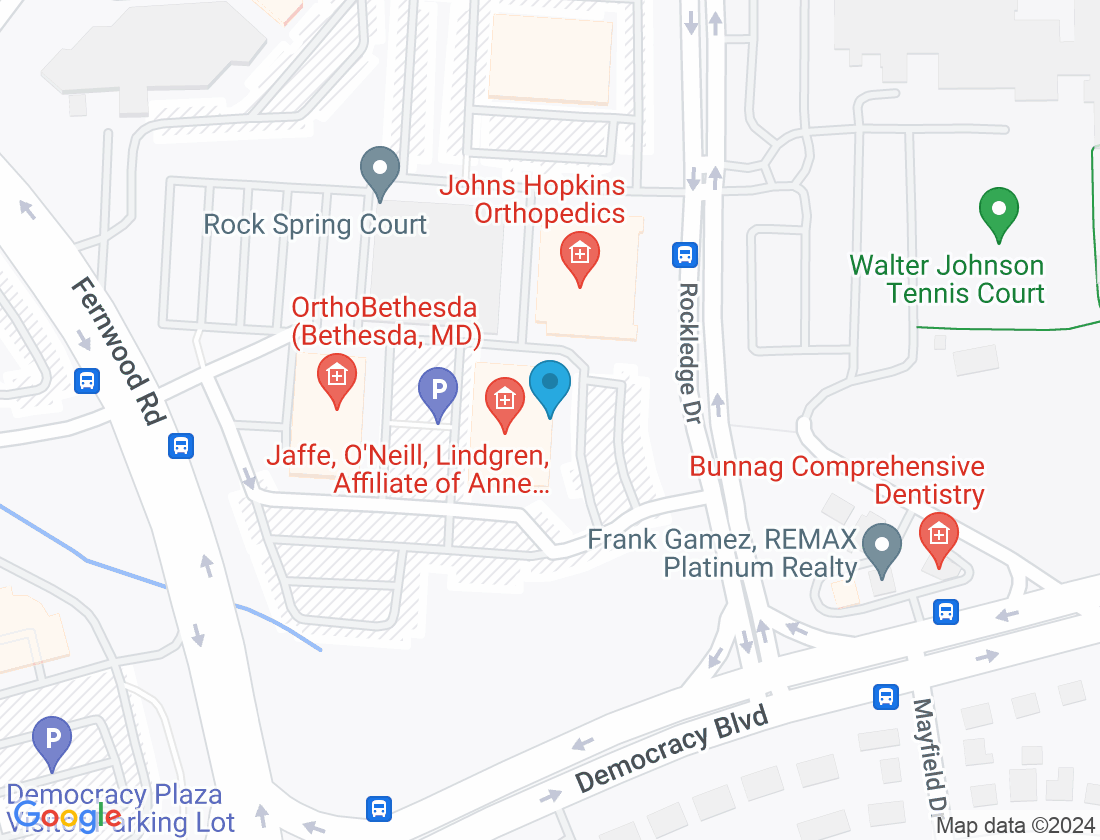
Address
6410 Rockledge Drive Suite 106, Bethesda, MD 20817
© Bethesda Center for Dental Sleep Medicine & TMJ Therapy 2026
Powered by Wonderist Agency, WonderFunnels | Privacy Policy